
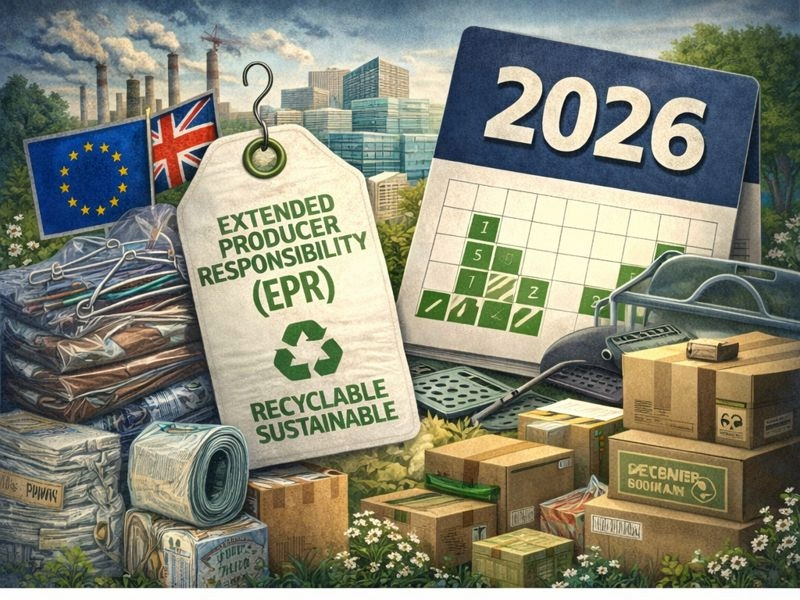
The global push for sustainability continues to accelerate, and 2026 is set to be a pivotal year for the apparel sector, especially when it comes to waste reduction and management. Regulations such as the PPWR (Packaging and Packaging Waste Regulation) and EPR (Extended Producer Responsibility) are set to make a significant impact on the apparel industry this year, with deadlines starting from as early as mid-2026.
So, what does this mean for manufacturers and brands, and how can digitisation and platforms like Bodi.Me’s Size-Me, help?
The Regulatory Landscape: What’s Coming in 2026?
Governments and international bodies are introducing stricter environmental laws to combat climate change and reduce waste. Several new measures are anticipated for 2026, and getting the right tools and measures in place now is essential to ensure compliance and avoid penalties. But which regulations will genuinely impact the PPE and workwear sector:
- The EU’s PPWR significantly affects the industry by mandating sustainable packaging, requiring less plastic, increasing recycled content and promoting reusable/recyclable packaging, including the use of plastic hangers, polybags and plastic wrap. Couple this with the recent increase in the UK’s Plastic Packaging Tax rate, failure to comply could be a costly mistake.
- Still focusing on waste reduction and management, the Extended Producer Responsibility (EPR) for textiles mandates that brands must fund waste management, boosting circularity, durability, and data tracking across polybags to shoeboxes, pushing the industry towards less waste and greater resource efficiency.
- Carbon Reporting and Reduction Targets: 2026 is the final year of preparation for the DPP, and textiles is a priority sector for the initiative so companies need to act now. Initial data requirements for the DPP become mandatory for all apparel, footwear, and accessories sold in the EU, in 2027. This will impact everything from energy use in factories to transportation and packaging, including the impact of delivery to end users and returns from end users.
- Mandatory Eco-Labelling: Legislation is likely to require clearer labelling of environmental credentials, such as recycled content, chemical usage, and carbon footprint.
- Restrictions on Hazardous Substances: Regulations such as REACH in Europe are continually updated. In 2026, expect tighter controls on chemicals used in fabrics, dyes, and protective coatings.
- Alongside these environmental regulations, manufacturers should also be aware of the new British Standards Institution (BSI) Inclusivity standard, which is set to become increasingly influential from 2026 onwards. It sets out clear guidelines to ensure that workwear and PPE are designed and produced to be inclusive. It emphasises the importance of fit, comfort, and accessibility. Find out more about the new BSI standard and Bodi.Me’s inclusivity research work with the PCIAW and UK female firefighters HERE.
Embracing Opportunity:
Complying with new sustainability legislation, as well as the new BSI standard, will undoubtedly bring challenges, but also many opportunities. Initial investments in new materials, processes, and digital systems can bring many benefits. Changes and upgrades can offer a competitive edge and help to reduce overheads. Systems such as Bodi.Me’s size and fit recommendation tool, Size-Me can help to save money and improve compliance. Not only does better fit and size guidance help to reduce returns and end user level, but the data gathered by the system can aid manufacturers with production planning, helping to reduce overproduction and waste. By contributing to a reduction in packaging usage, carbon emissions and waste, Size-Me supports compliance, which in turn helps to avoid fines and excessive taxes. A win-win for manufacturers, uniform companies, their customers and end users alike.
Effective and Affordable: Why Size-Me?
The award-winning sizing intelligence platform, designed specifically for the uniform and workwear industry, offers highly accurate, easy-to-use and non-intrusive size and fit recommendations for each employee. Getting the size right first time means that the incredibly user-friendly system helps to reduce returns by a proven 90%, and more in some cases – ask our team for case studies.
Bodi.Me’s experience and knowledge of the workwear sector is second to none. The Size-Me system is grounded in hundreds of thousands of body measurements, thousands of real-world 3D body scans, and an extensive volume of high-quality synthetic datapoints to extend insight across key sectors, including first responders, travel industry, logistics and healthcare. The software integrates seamlessly with most manufacturer systems and can be deployed quickly, which is useful, especially for those who need to take urgent steps toward reducing carbon emissions and improving customer satisfaction.
Importantly, Bodi.Me’s key founding principles were to help the industry improve sustainability and support a circular economy, so Size-Me is particularly well-placed to support brands and manufacturers in their sustainability journey.
Get in touch now to find out how Size-Me can support your business in reducing packaging use, cutting carbon emissions and minimising waste, saving time, money and improving compliance with sustainability regulations.